Finding the right contractor for a small building project can be more difficult than it seems. You might want to convert an unused space into a home office, make changes to your property layout, install internal partitions or improve a tired commercial premises. Whatever the project, you need a contractor who understands your requirements, communicates clearly and delivers quality workmanship.
Large construction companies may focus on major developments, while a single tradesperson may not have the resources to manage a project involving several different types of work. This is where small building contractors in London can be a practical choice. They can help homeowners, landlords and businesses complete smaller construction and improvement projects without necessarily taking on a full scale redevelopment.
However, not every contractor offers the same services, experience or level of project management. Choosing the right one means looking beyond the initial quotation and understanding how the contractor will approach your work. In this guide, we explain what small building contractors do, which projects they can help with, what to check before hiring and how to find a contractor suited to your property and budget.
Why Is Choosing the Right Small Building Contractor Important?

Small building projects can have a significant impact on how a property looks, feels and functions. A well planned improvement may create more usable space, make a property easier to maintain or help a business serve its customers more effectively. On the other hand, unclear responsibilities, poor workmanship or unexpected changes can cause delays and additional expense. Even a project that appears straightforward can involve several stages, including preparation, material selection, construction, finishing and final checks.
For example, adding a partition to a commercial office may require more than building a wall. You might also need to consider electrical points, access routes, lighting and the effect on the existing layout. A suitable contractor should understand these practical considerations before work begins. They should also explain what is included in the quotation, which materials are required, how the work will be scheduled and whether any permissions or specialist trades may be needed. The aim is not simply to find someone who can complete the work. It is to find a professional who can help you achieve the intended result with fewer avoidable complications.
What Do Small Building Contractors in London Do?
Small building contractors handle a range of construction, alteration and improvement projects that do not necessarily require a large construction team or a major building contract. The exact services vary between contractors, so it is important to confirm that your chosen company has the relevant experience for your project.
Common examples include the following.
Property Alterations and Internal Building Work
Property alterations can help make better use of existing space. This may involve modifying internal layouts, creating separate areas or carrying out minor structural and general building work. For homeowners, an alteration could make a living space more practical. For landlords and property investors, it could help prepare a property for new tenants. Commercial property owners may need changes that support different business activities. Some alterations may require building regulations approval, planning permission or input from a structural engineer. A responsible contractor should help identify where further advice or approval is needed rather than assuming every change can proceed without checks.
Small Extensions and Additional Space
An extension can provide extra usable space without requiring a complete move to a larger property. Depending on the property and project, this could mean extending an existing building or creating a more functional connection between indoor and outdoor areas. For example, a growing family might need additional living space, while a small business may need a practical addition to its existing premises. Not every contractor undertakes every type of extension. Check their experience, the proposed scope of work and any relevant planning or building control requirements before proceeding.
Garden Offices and Studios
A garden office or studio can create a dedicated workspace away from the main house. It may suit remote workers, freelancers, small business owners or households that need a separate space for hobbies and creative activities. A successful project needs to consider more than the building itself. Insulation, ventilation, lighting, access, drainage and electrical requirements can all affect how comfortable and useful the space will be. It is also important to establish whether the proposed structure falls within permitted development rules or requires planning permission. The answer depends on the design, location and circumstances of the property.
Patios, Porches and Outdoor Improvements
Small building work can also improve the way outdoor areas are used. Patios, porches, sheds and other suitable structures may provide additional functionality or improve access to a property. For instance, a landlord preparing a rental property might want to improve a neglected outdoor area, while a homeowner may want a more practical entrance or a better defined garden space. Drainage, ground preparation, material durability and the relationship with the existing building should all be considered before work starts.
Commercial Partitions and Internal Improvements
Businesses sometimes need to adapt their premises without undertaking a complete refurbishment. Internal partitions, office kitchenettes and other general building improvements can help create more useful workspaces. A small office might need separate meeting areas, while a commercial property owner may need to reorganise an existing unit for a new occupier. The contractor should understand the intended use of the space and identify any relevant fire safety, accessibility, ventilation or building regulations considerations.
How to Choose the Right Small Building Contractor in London
Choosing a contractor should involve more than comparing prices. The quality of the work, reliability of the team and clarity of the agreement can all affect your experience.
1. Check Their Experience with Similar Projects
Start by looking for contractors who have completed work similar to yours. A company experienced in general property improvements may be suitable for certain alterations, but a more complex structural project may require additional specialist expertise. Ask to see examples of previous projects, photographs or relevant customer reviews. If you are planning an office partition, for example, look for evidence that the contractor understands commercial spaces and their specific requirements.
2. Verify Insurance and Relevant Qualifications
Building work can involve risks to people and property. Ask whether the contractor has appropriate public liability insurance and whether the relevant tradespeople hold the qualifications or registrations required for the work. For electrical and gas work, check that the professionals undertaking it have the appropriate credentials. Where structural changes are involved, establish whether a structural engineer or other specialist is required. You can also check whether the project needs planning permission or building regulations approval. The requirements depend on the type of work and property. The UK government’s building regulations guidance explains the application routes for relevant building work.
3. Request a Clear, Written Quotation
A quotation should explain the work being undertaken and what is included in the agreed price. Ideally, it should identify the main tasks, materials, labour, expected timeframe and any exclusions. Consider a simple example: you want to build a partition in an office. One quotation might include only the wall construction, while another could cover finishing work and related requirements. The cheaper option may not represent the lower overall cost if essential work is excluded. Before accepting, clarify how unforeseen issues will be handled and whether additional work requires your approval.
4. Assess Communication and Project Management
A good contractor should be willing to discuss your requirements, explain practical limitations and keep you informed about progress. This is especially important in London properties, where restricted access, parking arrangements, neighbouring occupiers and busy commercial environments can affect how work is carried out. Ask who your main contact will be, how changes will be communicated and how the contractor plans to manage any disruption.
5. Read Reviews and Ask Relevant Questions
Customer reviews can provide useful insight into punctuality, communication, workmanship and how a contractor responds when something needs attention. Look for consistent feedback rather than relying on one positive review.
Before appointing a contractor, ask:
- Have you completed similar projects?
- What is included in the quotation?
- Who will carry out the work?
- What is the expected schedule?
- Are there any permissions or approvals to arrange?
- How will changes or unexpected problems be handled?
Taking time to ask these questions can help you make a more informed decision.
What Should You Expect from a Small Building Project?
A clear process helps prevent confusion and gives you a better understanding of what happens next. Although each project is different, most follow a similar sequence.
1. Initial discussion
Explain the problem you want to solve, the work you have in mind and how you want to use the finished space.
2. Site assessment
The contractor assesses the property, access, existing conditions and the likely scope of work.
3. Quotation and planning
Review the proposed work, pricing, responsibilities and expected schedule. Arrange any necessary specialist advice or approvals.
4. Building work and finishing
The agreed work is completed, including relevant finishing tasks and coordination with other trades.
5. Final checks
Review the completed work, raise any outstanding concerns and confirm the agreed arrangements for completion and payment.
For larger or more complex projects, the process may involve additional design, approval and inspection stages.
Why Choose TMT Central for Small Building Projects in London?

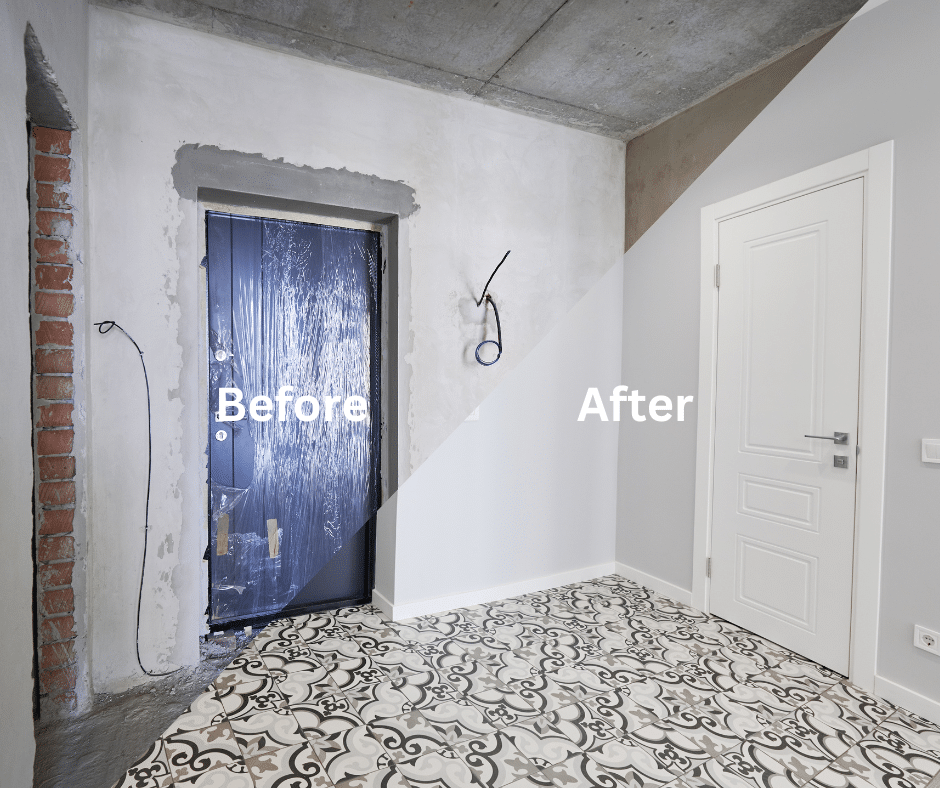
When looking for small building contractors in London, it helps to find a team that understands both the building work and the wider needs of your property. TMT Central provides small building project services across Central London and surrounding areas. Its published service offering includes small outbuildings, garden offices and studios, patios, porches, sheds, interior brickwork, extensions, refurbishments, office partitions and kitchenettes. The company also offers related property services that may be useful when a project involves more than one type of work. Here are some points to consider when discussing your project with TMT Central.
Support for different property requirements: Whether you are a homeowner improving your living space, a landlord preparing a property or a business adapting its premises, the team can discuss the work required and its suitability for the service.
Clear pricing: TMT Central offers free, no obligation quotations for its small building projects. Its published process involves discussing the job, arranging a site visit where required and providing a quotation before you decide whether to proceed.
Relevant property services in one place: Some projects require additional work such as carpentry, plumbing, electrics, refurbishment or decorating. TMT Central’s wider service offering can help you explore these related requirements without having to assess each one in isolation.
A focus on workmanship and customer service: TMT Central states that it prioritises quality results, transparent pricing, reliability and communication. Its published service information also highlights public liability insurance cover of up to £5 million and DBS checks for team members. You can confirm the arrangements relevant to your specific project during the initial discussion.
Industry Considerations: Planning Small Building Work in London
London properties come with different challenges. An apartment may have limited access for materials, a period property may have existing features that need careful consideration, and a commercial premises may need work scheduled to reduce disruption to employees or customers. These factors make preparation important, even when the project itself is relatively small.
Planning permission and building regulations are also separate considerations. Some work may be permitted without a planning application, while other projects need permission or approval. Do not assume that a project is exempt simply because it is small. Check the rules for your property and proposed work before starting.
For projects that require building regulations approval, the government explains that a full plans application normally receives a decision within five weeks, or within two months with the applicant’s agreement. This is an application decision timeframe, not a guarantee of the overall project duration. The most practical approach is to establish the requirements early, agree the scope with your contractor and allow sufficient time for any approvals, materials and specialist work.

Make Your Next Building Project a Success
From property alterations and home extensions to garden offices and commercial improvements, get practical building solutions tailored to your needs. Work with a team that prioritises quality workmanship, clear quotations and reliable service.
Frequently Asked Questions
Small building contractors carry out a range of building improvements and alterations, such as internal partitions, property modifications, small extensions, garden structures and general renovation work. Services vary by company, so confirm that the contractor can undertake your specific project.
Look for relevant project experience, appropriate insurance, qualified tradespeople where required, clear written quotations and consistent customer feedback. Discuss the scope and expected schedule before agreeing to the work.
Yes. Landlords and property investors may use targeted building work to improve layouts, create more functional spaces or prepare properties for new tenants. The work should be appropriate for the property and any applicable requirements.
Not always. The answer depends on the nature of the work, the property and its location. Some projects may also require building regulations approval. Check the relevant requirements before starting.
The price depends on the type and complexity of the work, materials, labour, access, project duration and whether specialist trades are needed. Request a quotation based on your actual requirements rather than relying on a general estimate.
Some contractors can coordinate several related tasks, while others focus on specific trades. Ask whether your project can be managed as one agreed scope and clarify which work is included in the quotation.
Yes. TMT Central’s published small building projects page states that it provides free, no obligation quotations. You can contact the team to discuss your requirements and arrange the appropriate next step.
Ready to Discuss Your Small Building Project?
You do not always need a major construction project to make your property more practical. A well planned alteration, additional workspace or improvement to an existing area can make a meaningful difference to how you live or work. The important thing is to choose a contractor who understands your requirements, explains the proposed work clearly and helps you make informed decisions before the project begins.
If you are looking for small building contractors in London, TMT Central can discuss your requirements and help you explore the available options. Get in touch with TMT Central to discuss your project and request a free, no obligation quotation.