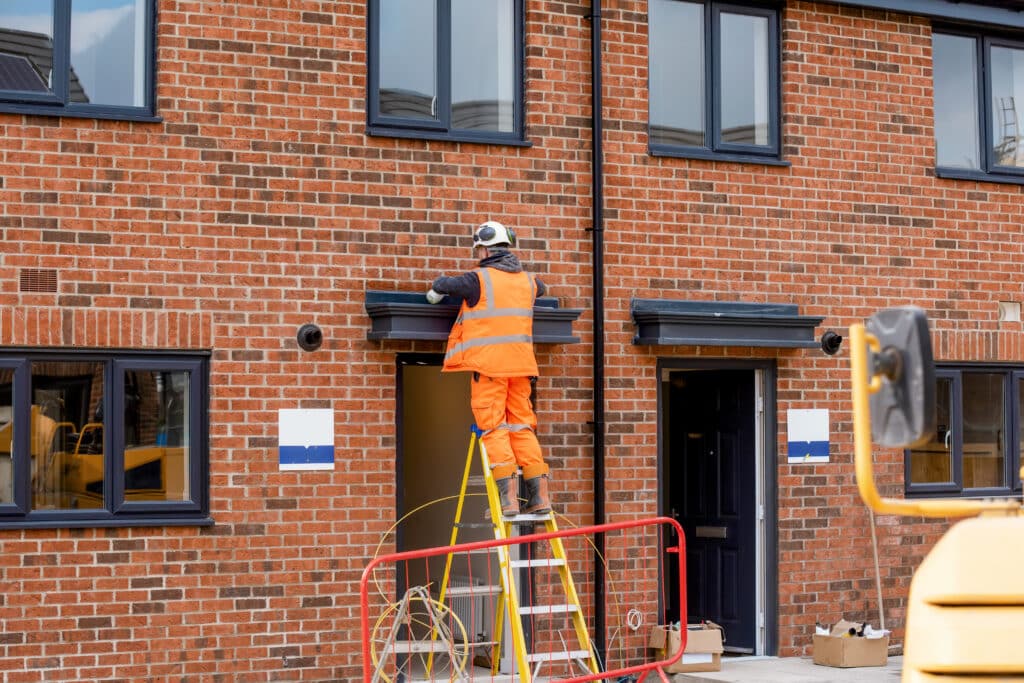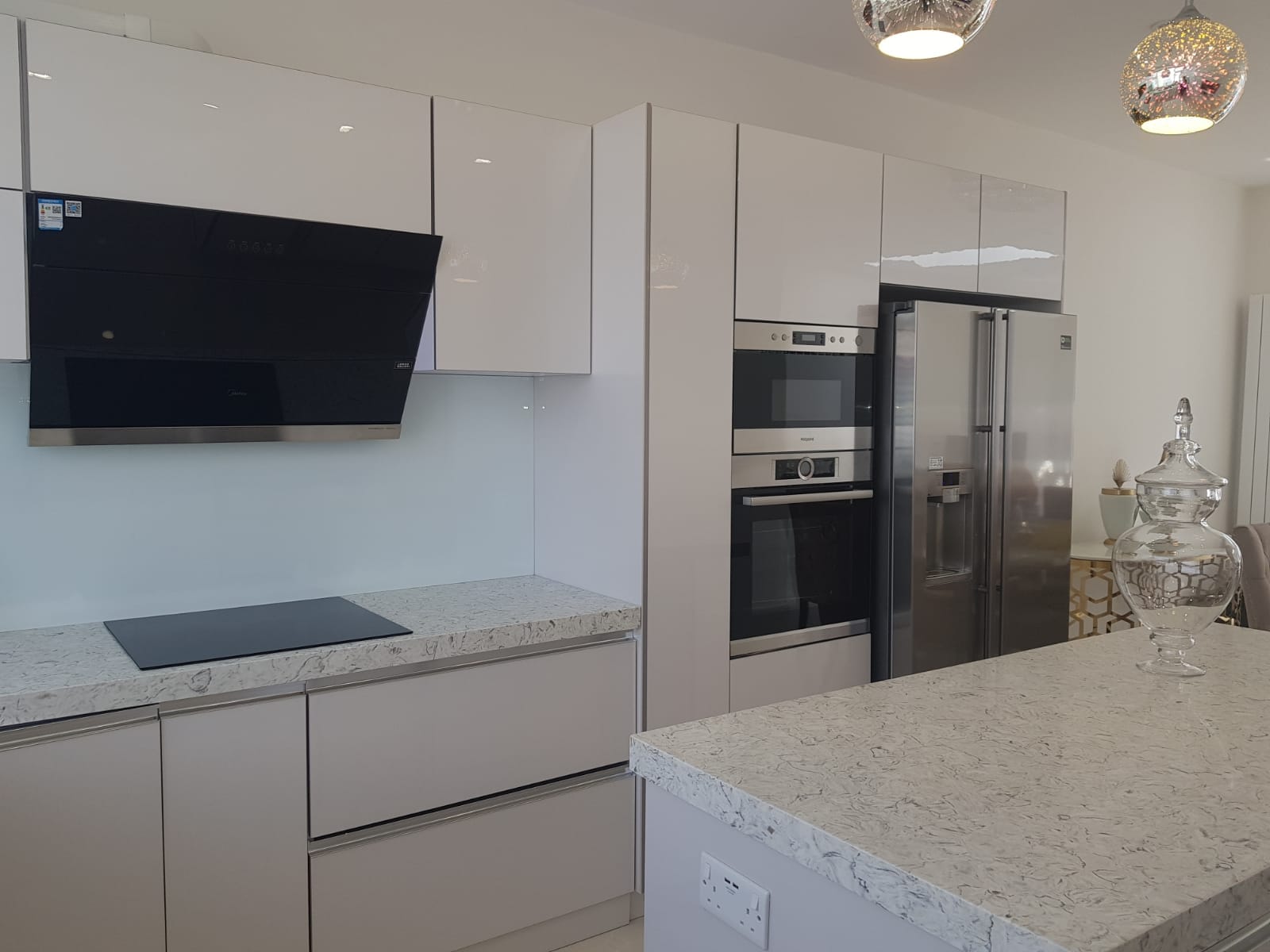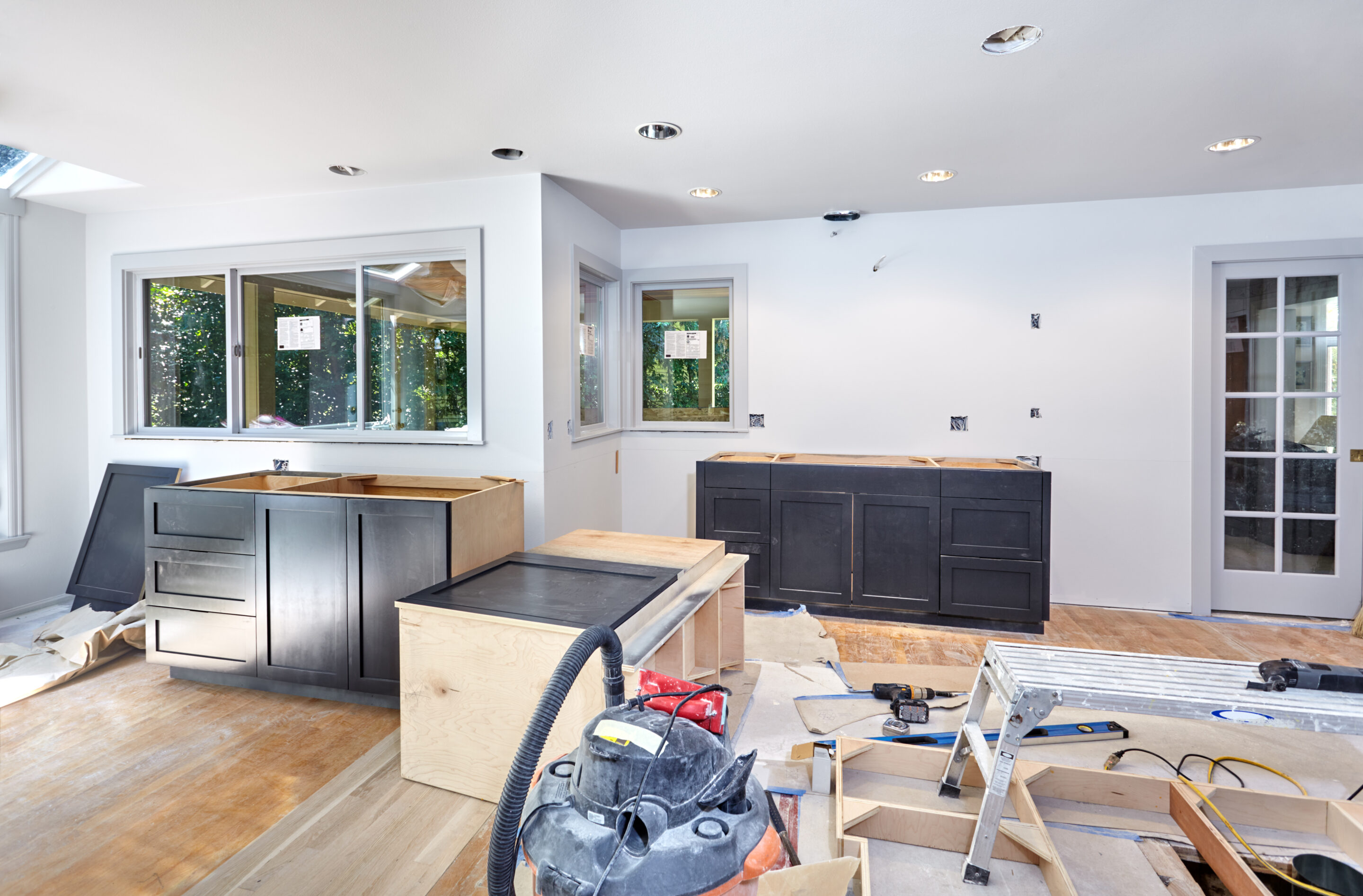
Owning or managing a property in London comes with ongoing responsibilities. A leaking tap, a faulty door, peeling paint or an electrical issue might seem like a minor inconvenience at first. Left unattended, however, small problems can disrupt daily life, frustrate tenants and potentially lead to more expensive repairs. This is why reliable property maintenance in London matters. Whether you own a family home, manage rental properties or operate a commercial premises, regular maintenance helps keep your building functional, presentable and ready for use.
For landlords, a well-maintained property can support a better tenant experience. For homeowners, it can make everyday living more comfortable. For businesses and property managers, prompt repairs can help reduce disruption and keep premises in suitable condition. But what services should you prioritise, and when is it worth bringing in a professional? This guide explains the essential property maintenance services, common problems they solve, and how to choose the right support for your property.
Why Is Property Maintenance Important in London?

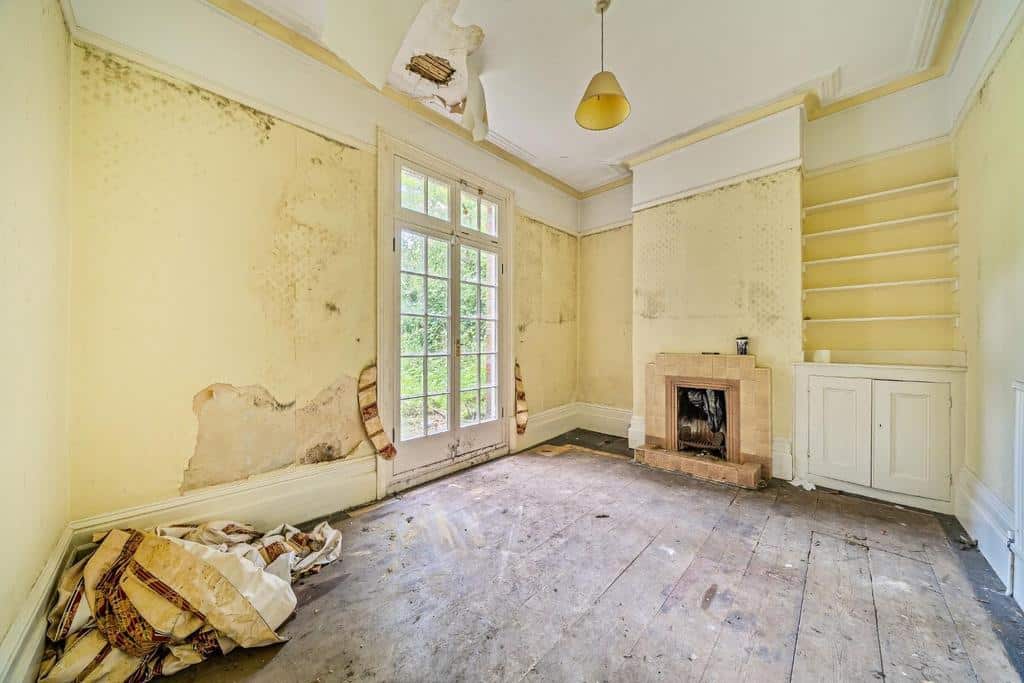
London properties vary widely, from older terraced houses and converted flats to modern apartments, offices and retail units. Each type of building has different maintenance requirements, and problems can develop because of everyday wear, ageing fixtures, weather exposure or the demands of frequent use. For example, a leaking pipe in a rental flat may damage flooring or ceilings if it is not addressed promptly. A faulty door closer in a commercial building could affect security and access. Peeling paint or broken fittings may also make a property less appealing to prospective tenants.
Maintenance is not only about fixing things when they break. It also involves identifying potential issues early, keeping essential systems in working order and planning repairs before they become urgent.
For landlords and property managers, this is particularly important because legal obligations may apply to the property’s condition and safety. In England, landlords have responsibilities concerning the structure and exterior of their properties, as well as key installations such as water, gas, electricity, sanitation and heating under applicable housing law. The exact duties depend on the property and tenancy arrangement. A planned approach to maintenance can help you manage these responsibilities while making it easier to budget for routine work.
Essential Property Maintenance Services Every Owner Needs
Property maintenance covers a range of tasks, from minor repairs to scheduled servicing. The right approach depends on the property’s age, condition, use and maintenance history.
1. Plumbing Repairs and Maintenance
Plumbing problems are among the most disruptive issues a property owner can face. A dripping tap, blocked drain, leaking pipe or faulty toilet can inconvenience occupants and potentially damage surrounding surfaces. Common plumbing services include leak repairs, tap and fixture replacements, drain unblocking, pipework repairs and appropriate boiler related work.
For example, a landlord preparing a flat for new tenants may need a leaking kitchen tap repaired, a toilet checked and a shower tested before the property is occupied. Addressing these issues together can make the property more comfortable and reduce the need for separate appointments.
2. Electrical Repairs and Safety
Electrical issues should never be ignored. Faulty sockets, flickering lights, damaged switches and unreliable lighting can affect everyday use and may indicate a problem that requires professional attention. Electrical maintenance may include lighting installation, socket and switch replacement, fault investigation, electrical repairs and suitable inspection or testing. Landlords in England must ensure that electrical installations in rented properties meet the applicable safety requirements. The regulations require inspection and testing by a qualified person at least every five years, subject to the relevant rules.
3. Carpentry, Doors and Fixtures
Loose hinges, damaged cupboard doors, broken handles and worn wooden fittings can make an otherwise well maintained property feel neglected. Carpentry and general fixture repairs can help restore everyday functionality without replacing items unnecessarily. Depending on the job, this may include repairing doors, adjusting hinges, fixing shelving, assembling furniture, repairing wooden fittings or addressing damaged flooring. Imagine a letting agent preparing a property for a new tenant. Several small carpentry issues may need attention before the handover. Resolving them together can improve the property’s presentation and help avoid repeated visits.
4. Painting, Decorating and Plastering
Walls, ceilings, doors and woodwork naturally show signs of wear over time. Scuffed paint, small cracks, peeling finishes and damaged plaster can make a property look tired, even when its essential systems are working properly. Painting and decorating services can refresh interiors, improve presentation between tenancies and help commercial premises maintain a professional appearance.
For example, a landlord may arrange for damaged plaster to be repaired and high traffic walls to be repainted after a tenancy ends. A business may need selected rooms redecorated without undertaking a complete refurbishment. Before painting over cracks, damp patches or peeling finishes, identify and address the underlying cause. Otherwise, the same problem may return.
5. General Repairs and Handyman Services
Not every maintenance task requires a major building project. Sometimes, the challenge is dealing with a collection of small jobs that have accumulated over several weeks. Examples include hanging mirrors, fixing shelves, adjusting doors, replacing handles, repairing minor fittings and completing other routine tasks. A handyman service can be useful when you want several suitable jobs assessed and completed during one visit. It can also help property managers coordinate minor repairs across residential and commercial premises.
6. Planned and Ongoing Property Maintenance
Some maintenance needs are predictable. Painting will eventually need refreshing, fixtures can wear out and certain building systems require periodic servicing or inspection. A planned maintenance schedule helps owners organise these tasks instead of waiting for something to fail. Depending on the property, a schedule might include routine inspections, checking for visible leaks, reviewing damaged fittings, arranging appropriate servicing and planning decorating work.
A small residential property may only need occasional visits, while a portfolio of rental properties or a busy commercial premises may benefit from more structured arrangements. TMT Central offers one off maintenance as well as fixed monthly maintenance schedules, allowing clients to discuss an arrangement suited to their requirements.
Common Property Maintenance Problems and How to Prevent Them
Many expensive or disruptive maintenance issues begin with a relatively small warning sign. Regular checks can help owners identify problems earlier, although inspections cannot eliminate every unexpected repair.
| Common Problem | What to Look Out For | Practical Response |
|---|---|---|
| Water Leaks | Damp patches, dripping taps or water stains. | Investigate the source and arrange a suitable repair. |
| Electrical Faults | Flickering lights, damaged sockets or repeated tripping. | Stop using affected equipment where appropriate and contact a qualified electrician. |
| Damaged Fixtures | Loose handles, broken hinges or unstable shelving. | Repair or replace the affected fittings. |
| Worn Decoration | Peeling paint, scuffs or damaged plaster. | Identify underlying issues before redecorating. |
| Blocked Drainage | Slow draining sinks, unpleasant smells or recurring blockages. | Investigate the blockage and arrange appropriate clearing. |
| General Wear and Tear | Repeated minor faults or deteriorating finishes. | Record issues and plan maintenance based on condition and urgency. |
The key is to prioritise problems according to risk. A loose cupboard handle is inconvenient, but a suspected gas leak or exposed electrical wiring requires a very different response. Urgent safety concerns should be handled by the appropriate emergency or qualified professional service.
Residential vs Commercial Property Maintenance
Although both residential and commercial properties need regular upkeep, their priorities can differ. Residential property maintenance focuses on keeping homes safe, comfortable and functional. Typical work includes plumbing repairs, electrical maintenance, carpentry, decorating and addressing issues between tenancies.
Commercial property maintenance may involve maintaining office interiors, communal areas, doors, fixtures, lighting and other facilities needed for day to day business operations. Scheduling work can be especially important when staff, customers or visitors use the premises throughout the day. For instance, a homeowner may arrange a convenient appointment to repair a door. A business may need the same repair scheduled outside its busiest operating hours to reduce disruption.
TMT Central supports both residential and commercial clients in Central London. You can review its property maintenance service for further details.
How to Choose a Property Maintenance Company in London
Choosing a maintenance provider involves more than finding the lowest quotation. You need to know whether the company can carry out the work, communicate clearly and provide suitable professionals for the job.
Consider these factors before making a decision:
Relevant services: Check whether the company handles your specific requirements. A provider that coordinates several types of maintenance may be convenient if you need plumbing, carpentry and decorating work.
Qualifications and insurance: Ask about appropriate insurance and verify any required qualifications or registrations for specialist work, particularly electrical and gas related tasks.
Transparent pricing: Understand whether work is charged by the hour or quoted as a fixed project price. Ask what is included, whether materials are extra and how additional work will be approved.
Availability and communication: Find out how appointments are arranged, how urgent issues are handled and whether the provider can accommodate your property’s access requirements.
Evidence of reliability: Look for genuine reviews, relevant experience and clear information about the company’s services and working arrangements.
A written record of the agreed work, price and schedule can help prevent misunderstandings. For landlords and property managers, keeping maintenance records can also make it easier to track recurring issues and demonstrate how repair responsibilities have been handled.
Why Choose TMT Central for Property Maintenance in London?


When you are responsible for a property, you need practical help that fits the building, the issue and your schedule. Delaying small jobs can be frustrating, particularly when you are coordinating tenants, managing a business or looking after several properties. TMT Central provides residential and commercial property maintenance services in Central London, supporting homeowners, landlords, property managers and businesses with a range of routine and repair work. Its published services include plumbing, electrical work, carpentry, painting, decorating, general repairs and refurbishment.
There are several reasons to consider the company for your maintenance requirements:
- A broad range of services: You can discuss multiple maintenance needs, from minor repairs to more involved property improvements.
- Flexible arrangements: TMT Central offers one off jobs and ongoing maintenance schedules, depending on your requirements.
- Clear quotations: The company states that it provides free, no obligation quotations.
- Insurance and trade credentials: TMT Central states that it carries public liability insurance up to £5 million and uses appropriately accredited professionals for relevant work. Confirm the arrangements needed for your particular job.
- Local service: Its team works across Central London and surrounding areas, supporting both residential and commercial properties.
The company also provides refurbishment services for projects that go beyond routine repairs. Whether you have a single maintenance issue or several jobs to organise, explain what needs attention and ask the team to assess the most suitable approach.

Keep Your Property in Excellent Condition
From plumbing and electrical repairs to carpentry, decorating and general maintenance, TMT Central helps keep your property safe, functional and presentable. Get practical maintenance solutions tailored to your home or business.
Frequently Asked Questions
Property maintenance can include plumbing, electrical repairs, carpentry, painting, decorating, handyman jobs, general building repairs and planned upkeep. The exact services depend on the provider and the type of property.
There is no single schedule suitable for every property. The frequency depends on the building’s age, condition, occupancy and equipment. Routine visual checks, prompt attention to reported faults and scheduled servicing where required provide a practical starting point.
Yes. Landlords in England have legal responsibilities for specified repairs and safety requirements. For example, these can include the property’s structure and exterior, water and sanitation installations, heating and hot water, and electrical wiring. The precise obligations depend on the applicable law and tenancy.
Many maintenance providers can discuss arrangements for landlords, letting agents and property managers responsible for multiple properties. Ask whether the provider can coordinate appointments, record completed work and agree an ongoing schedule that suits your portfolio.
Costs vary according to the work required, materials, labour, access, urgency and whether specialist trades are needed. Smaller jobs may be charged hourly, while larger projects may receive a fixed quotation. Request a clear estimate based on the actual work.
Yes. TMT Central states that it offers one off maintenance and fixed monthly maintenance schedules. Contact the company to discuss which arrangement is suitable for your property.
Some property maintenance companies coordinate several trades. Confirm which services are available and whether specialist work will be completed by appropriately qualified professionals. TMT Central lists plumbing, electrical, painting, carpentry and general maintenance among its services.
Keep Your London Property in Good Condition
Property maintenance is easier to manage when problems are addressed early and routine work is planned around the needs of the building. From a dripping tap or damaged door to electrical repairs and a fresh coat of paint, the right support can help keep your property functional, presentable and ready for everyday use.
If you are a homeowner, landlord, letting agent or commercial property manager looking for property maintenance in London, TMT Central can help you discuss your requirements and explore suitable maintenance options. Contact TMT Central today to discuss your property maintenance needs and request a free, no obligation quotation. Tell the team which issues need attention, whether the work is urgent and whether you would prefer a one off visit or ongoing maintenance. A clear starting point makes it easier to identify the next steps for your property.