What to Do When You Need an Emergency Plumber in Central London
A burst pipe, an overflowing toilet or water leaking through your ceiling can turn an ordinary day into a stressful situation. Whether you are a homeowner, tenant, landlord or business owner, plumbing emergencies need quick attention to protect your property and restore essential facilities. If you are searching for an emergency plumber in Central London, knowing what to do before a professional arrives can make a real difference. The right first steps may help limit water damage, reduce disruption and make it easier for a plumber to identify the cause of the problem.
The most important thing is to stay calm, make the area safe and stop the water supply if you can do so safely. You should then contact a qualified plumbing professional who can assess the fault and recommend the appropriate repair. At TMT Central, we provide plumbing services across Central London, including leak repairs, blocked drains, toilet and sink repairs, pipework and other plumbing work. This guide explains how to respond to common plumbing emergencies, when to seek professional help and how to choose the right plumber for your property.
What Should You Do First During a Plumbing Emergency?
When water is escaping from a pipe, fitting or appliance, acting in the right order can help prevent a manageable repair from becoming a more extensive property problem.
1. Turn Off the Water Supply
If a pipe has burst or a significant leak is developing, locate your property’s main stopcock and turn it off if it is safe and accessible. This usually stops the incoming water supply and may help limit further leakage.
The stopcock is often found under a kitchen sink, near the point where the water supply enters the property or inside a utility cupboard. In flats, the arrangement may differ, and you may need to contact the building manager.
If you cannot find the stopcock or it will not turn, do not force it. Explain the situation when contacting a plumber. For a leak from a specific appliance or fitting, an isolation valve may be available nearby. Only use it if you can identify it confidently and access it safely.
2. Keep Away from Electrical Hazards
Water near sockets, electrical appliances, extension leads or consumer units can create a serious risk of electric shock. Do not step into standing water where electrical equipment may be live. Do not touch wet switches or attempt to unplug appliances in a flooded area. If you suspect an electrical hazard, keep everyone away and seek appropriate professional assistance. If there is immediate danger, contact the relevant emergency service.
3. Protect Your Belongings if It Is Safe
Once the immediate hazard has been addressed, move valuables, documents, furniture and electrical equipment away from the affected area if you can do so safely. Use buckets or containers to catch dripping water where practical. Towels may help with small amounts of water, but avoid spending time cleaning while a substantial leak is still active. Take photographs or videos of the damage before moving items where possible. These records may be useful if you need to make an insurance claim.
4. Contact a Professional Plumber
Explain what has happened, where the leak or blockage is located, whether the water supply has been isolated and whether the problem is getting worse. Photographs or a short video can help the plumber understand the situation before arriving. If you manage a rental property or commercial premises, provide clear access instructions and details about any affected rooms or neighbouring properties.
For help with leaks, blocked drains, toilets, sinks and other plumbing problems, visit TMT Central’s plumbing services page.
Industry Insight: Why Plumbing Emergencies Need Prompt Attention
A plumbing fault can affect much more than the fitting where the problem first appears. Water can spread beneath flooring, soak plasterboard, damage ceilings and reach neighbouring properties, particularly in flats and multi-storey buildings. For example, a small leak beneath a bathroom basin may initially appear harmless. However, if it continues unnoticed inside a vanity unit or behind a wall, it can damage surrounding materials and make the eventual repair more involved.
A blocked toilet in a busy office or restaurant can create a different problem. If the facility cannot be used safely, the disruption may affect staff, customers and daily operations. Central London properties also vary considerably. A modern apartment, a period townhouse, an office building and a commercial premises may have different pipework layouts, access arrangements and shared water systems. In a managed building, the fault could involve communal plumbing rather than an individual property’s installation.
The practical lesson is simple: deal with the immediate risk first, then arrange a professional assessment. The source of the problem is not always visible, and attempting a repair without understanding the cause can make matters worse.
Common Property Maintenance Problems and How to Prevent Them
Many expensive or disruptive maintenance issues begin with a relatively small warning sign. Regular checks can help owners identify problems earlier, although inspections cannot eliminate every unexpected repair.
| Plumbing Problem | Why It Needs Attention | What to Do First |
|---|---|---|
| Burst Pipe | Can release substantial amounts of water and damage walls, floors or ceilings. | Isolate the water supply if safe and contact a plumber. |
| Severe Water Leak | May spread into cupboards, flooring or neighbouring properties. | Stop the water if possible and protect the affected area. |
| Overflowing Toilet | Can cause water damage and create a hygiene concern. | Stop using it and turn off its local water supply if safe. |
| Blocked Drain or Sink | May cause wastewater to back up and make facilities unusable. | Stop running water into the affected drain. |
| Leaking Radiator or Valve | Can damage flooring and reduce heating-system performance. | Allow the system to cool. Isolate the affected supply only if safe and you know how. |
| Sudden Loss of Water | May indicate a local plumbing issue or a wider supply interruption. | Check whether neighbouring properties are affected, then contact the water supplier or a plumber as appropriate. |
A problem becomes more urgent when water is actively escaping, sewage is backing up, essential sanitation is unavailable or there is a risk to people or the building. If you are unsure whether the situation requires immediate attention, describe the symptoms to a plumbing professional and ask for guidance.
Common Plumbing Emergencies and How to Handle Them
Burst Pipes and Major Water Leaks
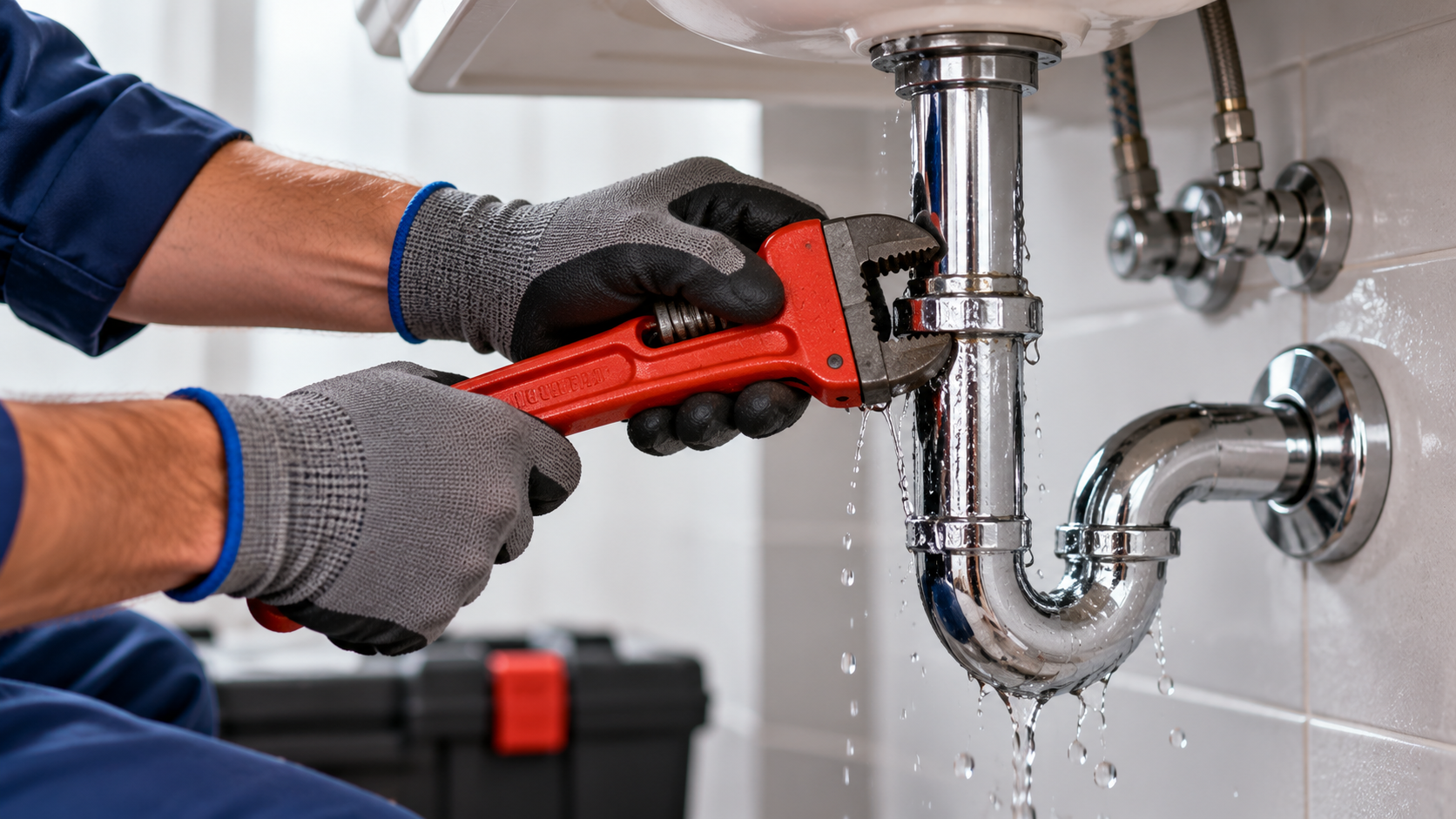
A burst pipe may be caused by corrosion, deteriorated fittings, accidental damage, excessive pressure or freezing conditions. You might notice water pouring from a pipe, damp patches appearing on a wall or water coming through a ceiling. Your first priority is to stop the water supply if it is safe to do so. Avoid opening walls or removing flooring to search for the source yourself.
Even when the visible flow stops, water may remain trapped within building materials. A plumber can identify the source of the leak, assess the damaged pipework and determine the repair needed. If the leak affects a flat or shared building, inform the property manager or building management team promptly. They may need to coordinate access to communal pipework or neighbouring properties.
Explore TMT Central’s plumbing services for help with leaking pipes and related plumbing repairs.
Blocked Drains, Sinks and Toilets
Blocked drains are common in homes, offices and commercial properties. Grease, food waste, hair, soap residue, unsuitable materials and other debris can restrict water flow. A slow-draining sink may be inconvenient, but repeated backing-up, wastewater returning through a drain or an overflowing toilet can indicate a more serious problem.
Stop using the affected fixture to avoid adding more water to the blockage. If several drains are backing up at the same time, the issue may involve a shared or main drain rather than a single sink. Avoid repeatedly flushing a blocked toilet. Do not mix chemical drain cleaners, as this can create hazardous reactions and expose anyone attempting a repair to dangerous substances. A professional plumber can assess the blockage and choose a suitable method to clear it without causing unnecessary damage to the pipework.
Leaking Taps, Toilets and Plumbing Fittings
A dripping tap may not always be an emergency, but a sudden increase in leakage or a failed fitting can waste water and damage the surrounding area. Common signs include water collecting beneath a sink, dampness around a toilet connection, a loose tap or persistent dripping from a pipe joint.
If the leak is small and contained, turn off the relevant isolation valve if you can do so safely. Keep the area dry enough to monitor the leak and arrange a repair. If water is spraying, escaping rapidly or reaching electrical equipment, treat the situation as urgent. The underlying cause could be a worn seal, damaged washer, loose connection or deteriorated fitting. Replacing a part without identifying the cause may only provide a temporary solution.
Overflowing Toilets and Wastewater Problems
An overflowing toilet can quickly make a bathroom unusable. It may also create hygiene concerns, particularly in shared accommodation, workplaces, cafés and other customer-facing premises. Stop flushing immediately. If the toilet continues to fill, turn off its local water supply if the valve is accessible and safe to operate. Keep children, pets and other occupants away from contaminated water.
If sewage is backing up, avoid contact with it and do not attempt to clean a substantial spill without appropriate protection. A plumber can investigate whether the cause is a local blockage, a faulty flushing mechanism or a problem further along the drainage system.
Sudden Loss of Water Supply
A sudden loss of water does not always mean there is a fault inside your property. Planned maintenance, supply interruptions or problems affecting the wider network may also be responsible. First, check whether other taps in the property are affected. If you live in a block of flats, ask the building manager whether there is a known issue. You can also check with your water supplier for service updates.
If neighbouring properties have water but your property does not, there may be a problem with your internal supply, stopcock or plumbing installation. A plumber can investigate faults within the property’s plumbing system. If the issue is on the public supply network, your water supplier may be the appropriate contact.
When Should You Call an Emergency Plumber?
Contact a plumbing professional promptly when a problem cannot be safely contained or when delaying the repair could cause further damage.
Situations that generally need urgent attention include:
- A burst pipe or substantial leak that continues to release water.
- Water entering ceilings, walls, electrical areas or neighbouring properties.
- A toilet that is overflowing or a serious wastewater backup.
- A plumbing fault that leaves essential sanitation facilities unusable.
- A major leak from a heating-system pipe or radiator.
- A sudden plumbing failure that is disrupting your home or business.
A minor drip that can be safely contained may be suitable for a routine appointment. However, do not ignore it simply because the immediate damage appears limited. If you smell gas or suspect a gas leak, do not treat it as an ordinary plumbing issue. Avoid operating electrical switches, leave the affected area and follow the relevant gas emergency guidance. In Great Britain, the National Gas Emergency Service can be contacted on 0800 111 999.
How to Choose a Reliable Emergency Plumber in Central London
When you are dealing with a leak or blocked drain, it is tempting to book the first available service. However, choosing carefully can help you avoid unclear charges, unsuitable repairs and unnecessary stress.
Check the Plumber’s Experience and Qualifications
Look for a professional who handles the specific problem you are experiencing. A leak repair, drainage blockage and boiler fault may require different expertise. If the work involves gas appliances or gas pipework, use an appropriately registered Gas Safe engineer. You can verify registration through the official Gas Safe Register.
Ask About Availability and Expected Arrival
Ask whether the plumber can attend your address, what the likely arrival window is and whether the work can be completed during the visit. Availability can vary according to the time, location, severity of the problem and current workload. A responsible provider should explain what they can realistically offer rather than promise an arrival time they cannot guarantee.
Understand the Pricing Before Work Begins
Ask how the service is charged, including labour, materials, additional visits and any out-of-hours or parking costs that may apply. Some straightforward repairs may be charged at an hourly rate, while more extensive work may be quoted as a fixed-price job. Request clarification before authorising additional work. Transparent communication helps you make an informed decision, especially when you are already dealing with an unexpected expense.
Look for Insurance and Professional Standards
Check whether the provider has appropriate insurance and can explain the proposed repair clearly. It is also worth looking for evidence of professional conduct, good communication and experience working in properties similar to yours. For landlords, letting agents and commercial operators, reliable communication is particularly important. You may need updates, photographs, invoices or repair details to keep property records accurate.
Why Choose TMT Central for Plumbing Services?
When a plumbing issue disrupts your home or workplace, you need a team that can understand the problem, explain the next steps and help you arrange the right repair. TMT Central provides plumbing services across Central London and surrounding areas, supporting residential and commercial customers with a range of plumbing and maintenance needs.
Its published plumbing services include leak detection and repairs, burst pipes, blocked drains, waste pipes, toilets and sinks, tap and valve replacements, boiler maintenance and related plumbing work.
Here are some reasons customers may consider TMT Central:
Central London coverage: The team works with properties across Central London and surrounding areas, including homes, rental properties and commercial premises.
A range of plumbing services: From leaking fittings to blocked toilets and pipework problems, the service covers common issues that can disrupt everyday use of a property.
Clear pricing information: TMT Central explains its pricing approach, with smaller jobs often charged by the hour and larger projects generally quoted as fixed-price work. Ask for the applicable rate and any additional costs before work starts.
Insurance and professional checks: TMT Central states that its team members are DBS-checked and that the business has public liability insurance cover up to £5 million.
Support beyond a single repair: If a plumbing issue forms part of a wider property maintenance requirement, the team also offers property maintenance services.
Response times depend on availability and the nature of the job. TMT Central advises that it aims to provide same-day service where possible, with other appointments usually arranged within 48 hours. If your problem is urgent, explain the circumstances when contacting the team and confirm the earliest available attendance.
How to Reduce the Risk of Future Plumbing Emergencies
Not every plumbing failure can be prevented, but routine checks can help identify some problems before they become disruptive. Look beneath sinks and around toilets periodically for damp patches, corrosion, loose connections or unexplained water collecting on the floor. Pay attention to changes in water pressure, slow drainage and unusual noises from pipes.
Avoid pouring cooking grease or oil down sinks, and dispose of unsuitable waste properly. Use sink strainers where appropriate to help prevent debris from entering the drainage system. If you own or manage a property, arrange suitable maintenance for plumbing and heating systems and address minor leaks before they become more serious. In rental properties, encourage tenants to report leaks and drainage problems as soon as they notice them.
During cold weather, pay attention to pipes in exposed or poorly insulated areas. If you suspect a pipe has frozen, do not use an open flame to thaw it. Seek professional advice, particularly if you notice a leak or suspect the pipe has split. For ongoing repairs and general upkeep, TMT Central’s property maintenance service can help you explore support beyond an individual plumbing job.

Plumbing Emergency? Know What to Do First
Burst pipes, sudden leaks and overflowing toilets can put your property at risk. Learn how to make the situation safer, limit water damage and understand when to call a professional plumber in Central London.
Frequently Asked Questions
Look for a plumber who covers your postcode, handles your specific problem and can confirm availability. Check the provider’s qualifications where relevant, insurance information, pricing terms and customer communication. Explain the fault clearly and ask about the likely arrival window before booking.
If it is safe, turn off the main water supply and keep away from any electrical hazards. Move belongings away from the affected area only when safe, then contact a plumber. If water is entering electrical areas or the ceiling appears unsafe, keep clear and seek appropriate emergency assistance.
TMT Central lists finding and fixing leaks, including burst pipes, among its plumbing services. Contact the team to describe the problem and confirm availability for your property. Visit the TMT Central plumbing page for more information.
Arrival times depend on the plumber’s schedule, the location and the severity of the fault. TMT Central states that it aims to provide same-day service where possible; otherwise, appointments are usually within 48 hours. Confirm the earliest available time directly with the team, especially if water is actively leaking.
The price depends on the type of fault, the time required, replacement parts and whether the work is outside normal hours. Before proceeding, ask about labour charges, materials, any additional fees and whether a fixed quotation is available. Do not assume that every plumbing emergency will have the same cost.
Yes. TMT Central lists blocked drains, waste pipes, toilets and sinks among its plumbing services. If wastewater is backing up or a toilet is overflowing, stop using the affected fixture and contact a professional rather than repeatedly flushing or using multiple chemical cleaners.
Tenants should inform their landlord or letting agent promptly, particularly if the issue could damage the property or affect neighbouring homes. If there is an immediate risk, take safe steps to limit the damage while following the property’s emergency procedure. Responsibility for arranging and paying for repairs depends on the circumstances, the tenancy agreement and applicable law.
TMT Central works with homeowners, landlords and property managers and provides plumbing and broader property maintenance services. Contact the team to discuss the issue, property access and any requirements for repair records or ongoing maintenance.
Need an Emergency Plumber in Central London?
A burst pipe, persistent leak or blocked toilet can quickly disrupt your day and put your property at risk. Taking sensible precautions early and arranging the right professional help can make the situation easier to manage.
If you are dealing with a plumbing problem, contact TMT Central to explain what has happened and find out how the team may be able to help. Describe the affected area, whether the water supply has been turned off and whether the problem is getting worse. Call TMT Central on 020 3950 3309 or visit the plumbing services page to discuss your plumbing requirements.
For a wider property repair or maintenance issue, you can also contact TMT Central online. When a plumbing problem arises, clear advice and a suitable repair plan can help you protect your property and get essential facilities back into use as soon as practical.