Electrical problems in a commercial property rarely arrive at a convenient time. A faulty circuit can interrupt a restaurant’s service. Poor lighting can affect a retail environment. An electrical fault in an office can disrupt employees and operations. For a hotel, gym, salon or medical practice, even a relatively small electrical issue can quickly become a business problem.
That is why choosing the right commercial electrician matters. A professional electrical contractor can help businesses install, maintain, test and repair electrical systems while keeping safety, reliability and the needs of the property in mind. For businesses operating in Central London, the challenge is often finding an electrician who understands both the technical requirements of electrical work and the practical demands of commercial premises.
Why Commercial Electrical Work Requires Professional Attention
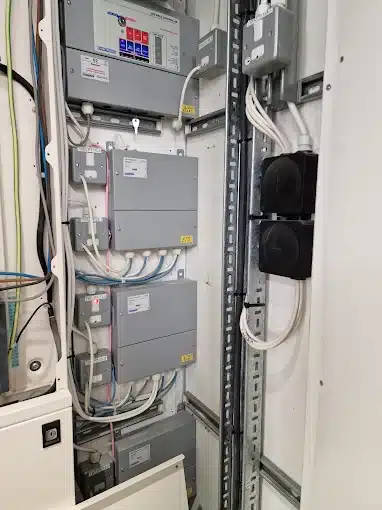
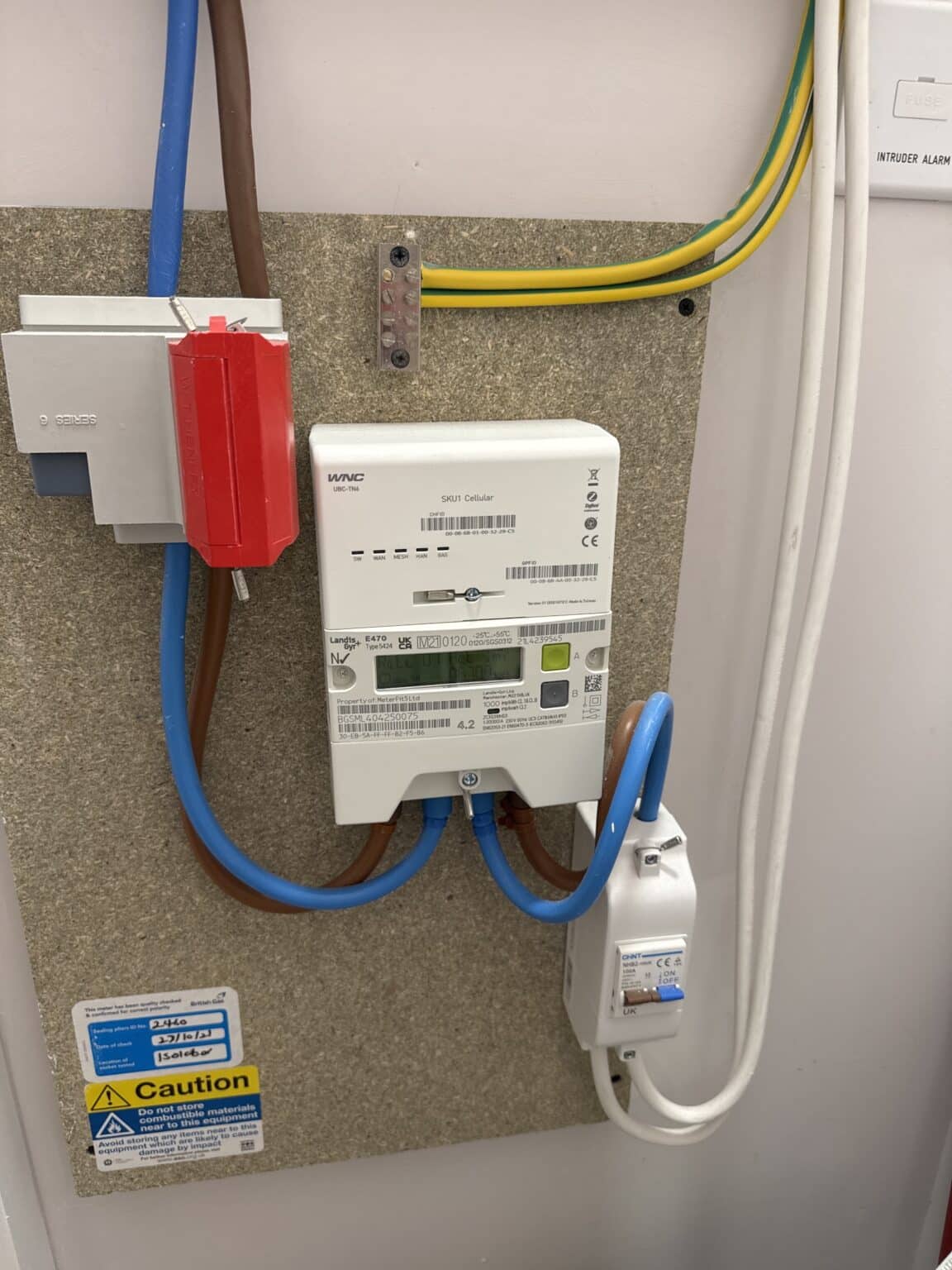
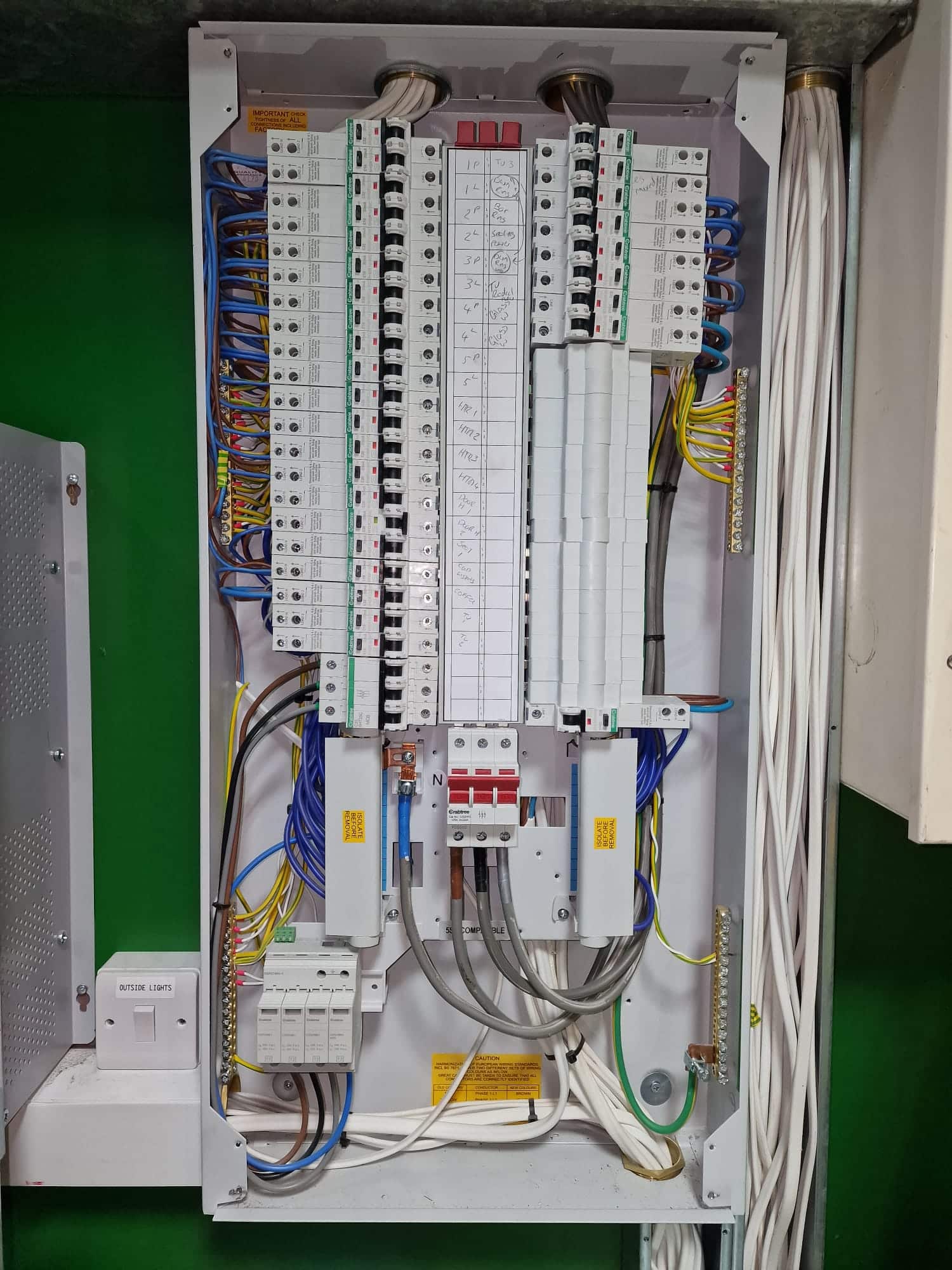
Commercial properties can have considerably more complex electrical requirements than a typical domestic property. A restaurant may need power for kitchen equipment, refrigeration, extraction systems, lighting and customer areas. A hotel may have guest-room lighting, sockets, heating equipment, security systems and communal areas.
A technology company may rely heavily on power and data infrastructure to keep employees and equipment operating. Retail businesses may require specialist lighting to showcase products, while theatres and galleries can have demanding lighting and equipment requirements. These systems need to be installed, maintained and repaired carefully.
The Health and Safety Executive (HSE) states that electrical systems and equipment in workplaces should be maintained and operated safely, with appropriate systems of work and competent personnel. For businesses, professional electrical work is therefore not simply about fixing a problem when something stops working. It is about reducing avoidable disruption and maintaining a safe, functional environment.
What Is a Commercial Electrician?
A commercial electrician provides electrical services for workplaces and commercial properties. The work can include electrical installation, repairs, fault finding, testing, rewiring, lighting, sockets, circuit boards and other electrical systems. The exact requirements depend on the property. A small retail unit may need additional sockets and lighting.
A restaurant might require electrical work for new kitchen equipment. A co-working space may need additional power points and lighting as the layout changes. A warehouse may require improved lighting and electrical infrastructure for operational equipment. A property developer may need electrical work as part of a larger refurbishment or building project. The important point is that commercial electrical work should be approached according to the building, its use and the specific electrical requirements.
Commercial Electrical Services in Central London
TMT Central provides a range of electrical services for homes, offices and commercial premises across Central London. Its current electrical service page includes electrical appliance testing, electrical safety checks and fault finding, socket and light-switch installation, CCTV wiring, doorbell and camera installation, alarm installation, rewiring, EICRs, retail and event lighting, circuit-board installation and repairs, heaters, extractor fans and other electrical work.
Electrical Fault Finding and Repairs
Electrical faults can be frustrating because the visible symptom is not always the actual cause. A socket may stop working. Lights may repeatedly trip a circuit. An appliance may cause the power to shut down. Or part of a property may suddenly lose electricity.
Rather than repeatedly resetting a circuit or replacing components without understanding the problem, professional fault finding aims to identify the underlying issue. This can help businesses get their premises functioning again while addressing the source of the problem. TMT Central specifically highlights electrical safety checks and fault finding among its commercial electrical services.
Commercial Rewiring
Older or unsuitable electrical installations may require rewiring as part of refurbishment, upgrading or property improvement work. Rewiring can also become relevant when the existing installation no longer suits how a commercial property is being used.
For example, an office conversion may introduce significantly more equipment and power requirements than the original building layout was designed for. A restaurant renovation may also require changes to electrical infrastructure to accommodate new equipment. Rewiring is a substantial project, so it should be properly assessed and planned rather than treated as a simple repair.
Lighting Installation and Upgrades
Lighting has a practical and visual role in commercial properties. A restaurant needs lighting that supports the customer experience and staff operations. A retail store may use lighting to highlight products. An office needs suitable illumination for employees.
A gallery may have specific requirements for displaying artwork. TMT Central provides retail and event lighting design and installation as part of its electrical services. Good lighting can therefore contribute to both functionality and the way customers experience a commercial space.
Additional Sockets and Light Switches
Changing the layout of a commercial property often creates new electrical requirements. A co-working space may need additional sockets for desks. A salon may require new power points for equipment.
A retail unit may need sockets repositioned after a refurbishment. TMT Central provides replacement and additional electrical sockets and light switches, including complete fittings. Having the electrical layout properly assessed can help businesses avoid improvised extensions, overloaded outlets or inconvenient power arrangements.
Electrical Testing and EICR
Testing is an important part of maintaining electrical safety. TMT Central provides electrical safety checks and EICR services. Its FAQ states that its electricians are accredited through NICEIC or City & Guilds.
For rented properties in England, electrical safety requirements also apply to landlords. GOV.UK guidance states that landlords in the private and social rented sectors must have electrical installations checked at least every five years by a properly qualified person. Commercial property owners and managers should therefore understand which inspection, testing and documentation requirements apply to their particular property and use.
CCTV, Alarms and Security-Related Electrical Work
Electrical contractors may also support the installation and wiring of security-related equipment. TMT Central lists CCTV camera and surveillance wiring, doorbell and camera installation, and fire, burglar and carbon monoxide alarm installation among its electrical services. For retail premises, offices, warehouses and other commercial buildings, these systems can form part of a broader property security strategy.
Common Electrical Problems Businesses Face
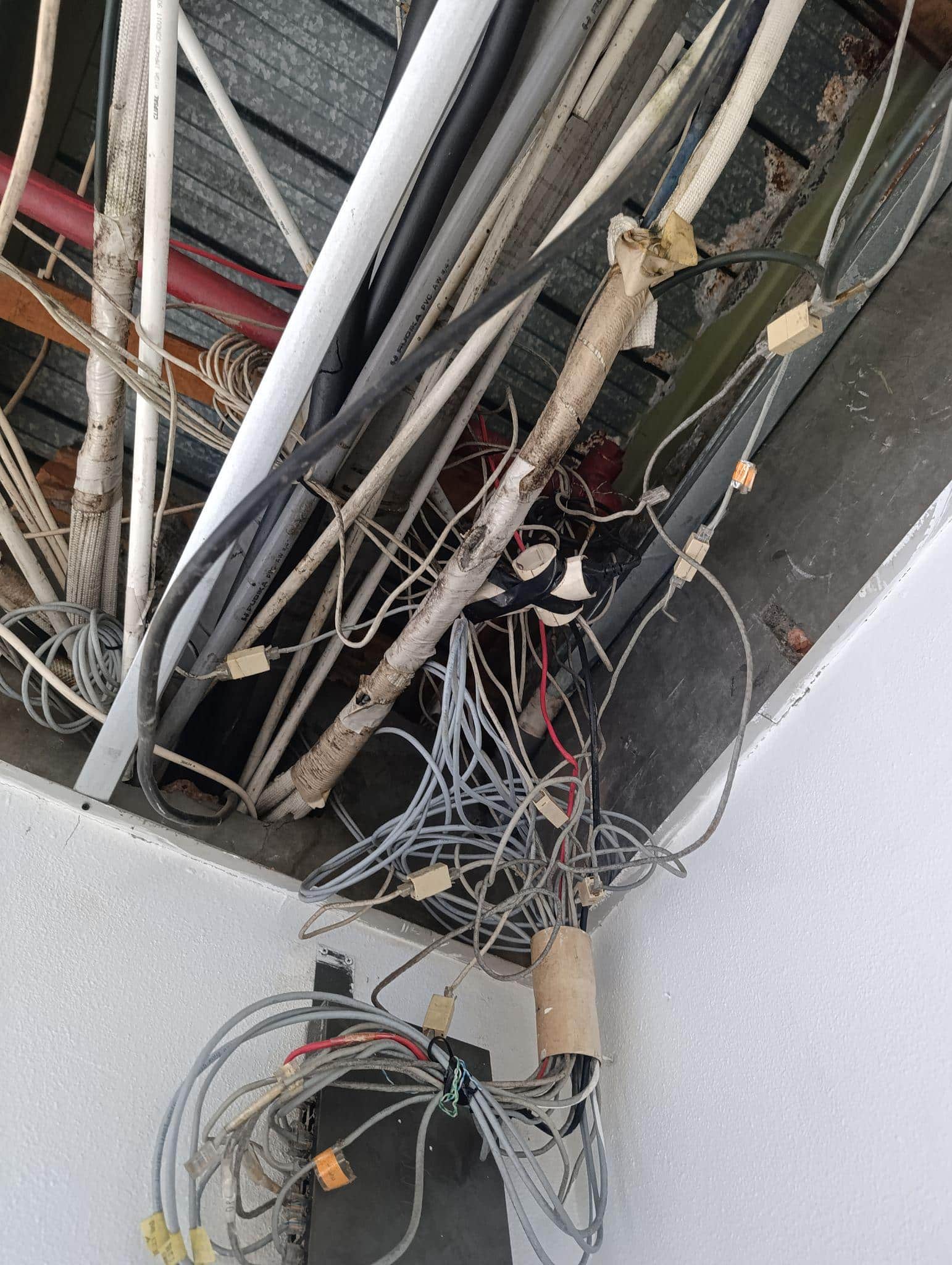
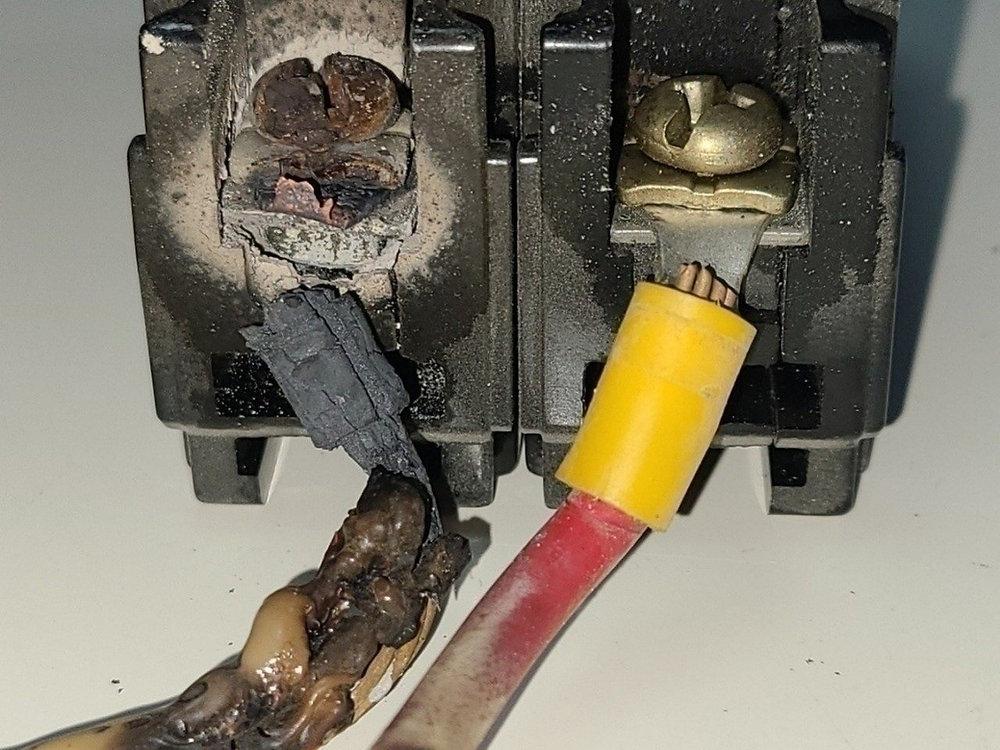
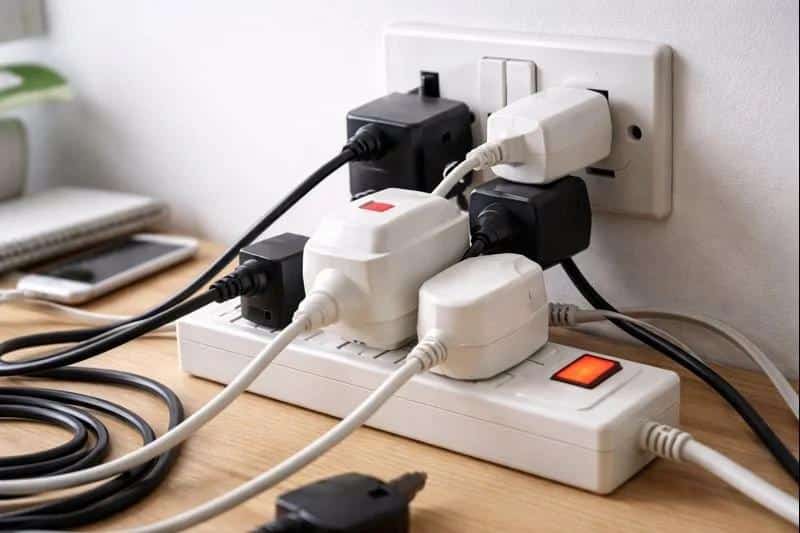
The most disruptive electrical problems are often the ones that happen unexpectedly.
Repeated Circuit Trips
If a circuit repeatedly trips, there may be an underlying fault, overload or equipment issue that needs investigation. Continuously resetting the circuit without identifying the cause is not a long-term solution.
Flickering Lights
Flickering lighting can be caused by several issues, including problems with fittings, connections or the electrical supply. In a commercial environment, it can also affect the appearance and usability of the workspace.
Not Enough Power Points
As businesses grow, their electrical requirements often change. A workplace that once had enough sockets may become unsuitable as more computers, monitors, chargers and equipment are introduced.
Electrical Problems During Refurbishment
Refurbishment projects can expose electrical issues that were previously hidden. HSE specifically highlights refurbishment work as an area where electrical risks need to be carefully planned and managed. It also states that specialist electrical work should only be undertaken by trained and competent people. This is particularly relevant to property developers, construction companies and facilities management teams.
Outdated Electrical Installations
Older installations may not provide the capacity or functionality required by a modern business. Rather than waiting for a major failure, property managers can consider professional inspection and advice when planning refurbishment or upgrades.
Why Electrical Safety Matters in Commercial Properties
Electricity is something most businesses use every minute of the working day. That can make it easy to overlook until something goes wrong. The HSE identifies electrical shock, burns, arcing, fire and explosion among the potential hazards associated with electricity. It also emphasises the importance of competent people, safe working practices and appropriate maintenance.
HSE guidance on electrical work also states that installations should be properly planned, sources of energy isolated where appropriate and work carried out safely by competent personnel. For a business, the benefit of professional electrical maintenance is therefore not simply peace of mind. It can help protect people, property, equipment and day-to-day operations.
How Electrical Problems Affect Different Businesses
The same electrical fault can have very different consequences depending on the type of business.
Restaurants
A restaurant depends on electrical equipment for lighting, refrigeration, kitchen operations and customer areas. An electrical issue during opening hours can quickly become an operational problem.
Hotels
Hotels need reliable electrical systems across guest rooms, reception areas, corridors, kitchens and communal spaces. Maintenance often needs to be planned carefully to minimise disruption to guests.
Retail Stores
Lighting, tills, displays, security systems and general power all contribute to daily retail operations. Electrical upgrades may also form part of a store refurbishment.
Co-Working Spaces
Flexible workspaces often have high demand for sockets, lighting and other electrical infrastructure. As desk layouts change, electrical requirements can change with them.
Medical Practices
Medical environments can have specific operational requirements and equipment that depend on reliable electrical supplies. Electrical work therefore needs to be carefully planned around the premises and its users.
Gyms and Salons
Commercial equipment, lighting, heating, extraction and specialist appliances can all create electrical demands. A fault affecting key equipment can directly affect the customer experience.
Theatres and Galleries
These environments can have specialist lighting and equipment requirements. Electrical work may need to be coordinated around performances, exhibitions and other scheduled activities.
Warehouses
Warehouses may depend on lighting, equipment, charging facilities and other electrical systems for daily operations. Poor lighting can also create additional workplace risks.
What Makes a Good Commercial Electrician?
Technical ability is only one part of the equation. Businesses also need reliability. A good commercial electrician should communicate clearly, understand the scope of the job and explain what needs to be done. For larger projects, documentation and transparent pricing can also make a significant difference.
TMT Central states that smaller jobs are charged hourly while larger projects are generally handled using a fixed, all-inclusive price. Its website also highlights transparent pricing, a flexible approach, rapid service and a focus on leaving premises clean and tidy. Those practical details matter when the electrician is working in a live commercial environment.
Why Choose TMT Central for Commercial Electrical Services?
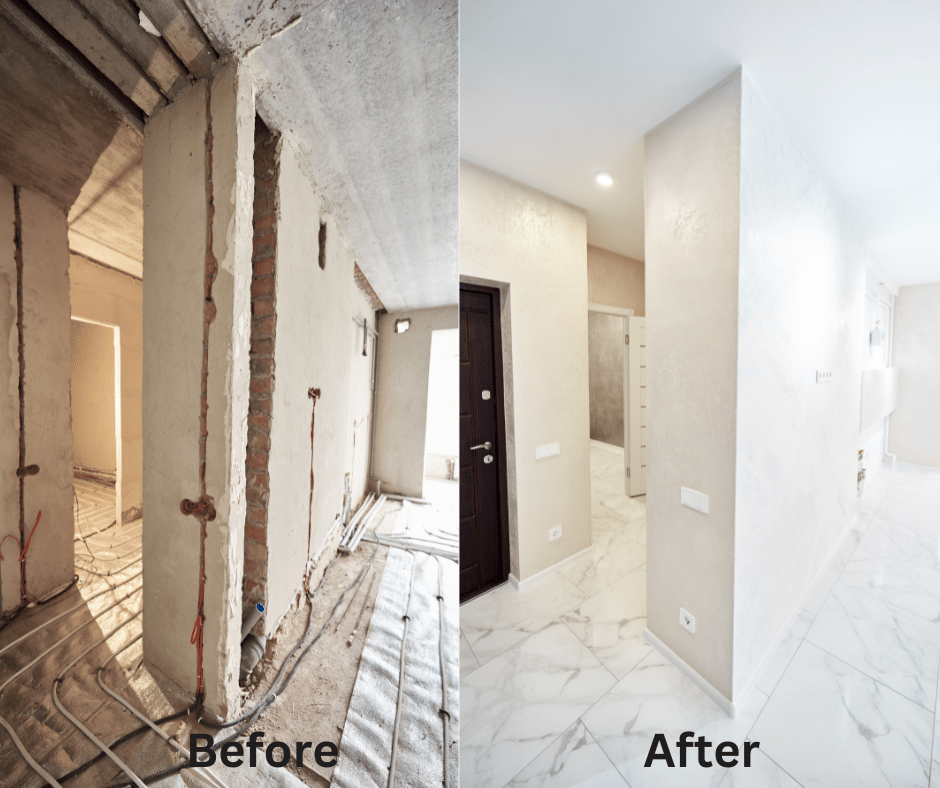
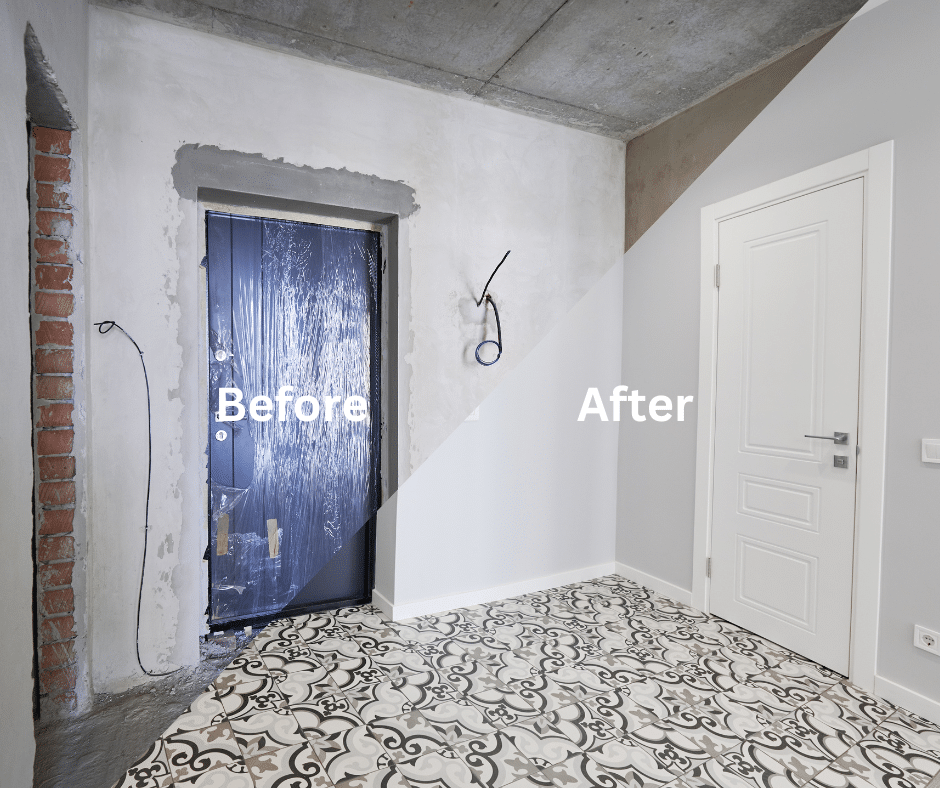
TMT Central is a Central London-based property maintenance company providing electrical services for domestic, office and commercial premises. Its electrical team can assist with everything from appliance testing and fault finding to rewiring, lighting, sockets, circuit boards and EICRs. TMT Central’s website states that its electricians are either registered with NICEIC or hold City & Guilds qualifications. It also states that the company has public liability insurance up to £5 million. For commercial clients, another practical advantage is the wider range of property services available through TMT Central.
Electrical work can often form part of a larger property requirement. A retail refurbishment may involve painting, carpentry and electrical work. An office upgrade may require electrical changes alongside general building maintenance. A property manager may need several maintenance issues addressed during the same visit. TMT Central also provides property maintenance, refurbishment, plumbing, carpentry, handyman and small building services. That wider capability can make property maintenance easier to coordinate.
How Much Does a Commercial Electrician Cost?
There is no single price for commercial electrical work. The cost depends on the nature of the problem or project. A straightforward socket replacement is very different from a commercial rewiring project. The size of the property, accessibility, materials, number of electrical points, testing requirements and complexity of the work can all affect the quotation.
For that reason, businesses should focus on getting a clear assessment and quotation for their specific requirements rather than relying on a generic online figure. TMT Central states that smaller jobs are charged on an hourly basis, while larger projects are usually priced at a fixed, all-inclusive rate.
When Should You Call a Commercial Electrician?
You don’t necessarily need to wait for a complete electrical failure. It is sensible to seek professional advice when you notice recurring circuit trips, damaged sockets, flickering lights, unusual electrical smells, overheating equipment or other signs that something may not be operating correctly.
Businesses planning a refurbishment, relocation, change of use or electrical upgrade should also consider their electrical requirements early in the project. Early planning can be particularly important when several contractors are working on the same property.

Keep Your Business Safe & Powered
Professional electrical solutions for commercial properties, helping you maintain safe, reliable and efficient electrical systems with minimal disruption to your business.
Frequently Asked Questions
A commercial electrician installs, maintains, tests and repairs electrical systems in workplaces and commercial properties. Services can include lighting, sockets, fault finding, rewiring, electrical testing, circuit boards and other electrical installations.
Yes. TMT Central provides domestic, office and commercial electrical services across Central London, including fault finding, rewiring, lighting, sockets, EICR services and circuit-board work.
Yes. Electrical work can be an important part of refurbishment projects. HSE guidance specifically highlights the need to plan and manage electrical risks during refurbishment work.
TMT Central states that it specialises in urgent electrical jobs and aims to provide rapid service, often on the same day where possible.
Yes. EICR services are listed among TMT Central’s electrical services.
TMT Central’s FAQ states that its electricians are either registered with NICEIC or hold City & Guilds qualifications.
The appropriate inspection and testing schedule depends on the installation, its use and applicable requirements. Businesses should obtain professional advice rather than applying one generic interval to every commercial property.
TMT Central’s FAQ states that it works weekends and evenings, with an additional charge for those services.
TMT Central states that it covers Central London and surrounding areas.
Keep Your Commercial Property Powered, Safe and Ready for Business
Electrical problems shouldn’t be allowed to become a bigger business problem. Whether you operate a restaurant, hotel, retail chain, co-working space, medical practice, gym, salon, theatre, gallery, warehouse or office, reliable electrical systems are essential to keeping your property operating normally.
From a single electrical fault to a larger refurbishment or rewiring project, getting the right professional support can help you address problems properly and plan future improvements with greater confidence. TMT Central provides commercial electrical services across Central London, supported by a wider range of property maintenance and refurbishment services.
Need an electrician for your commercial property? Contact TMT Central today for a free, no-obligation quotation and discuss your requirements with the team.